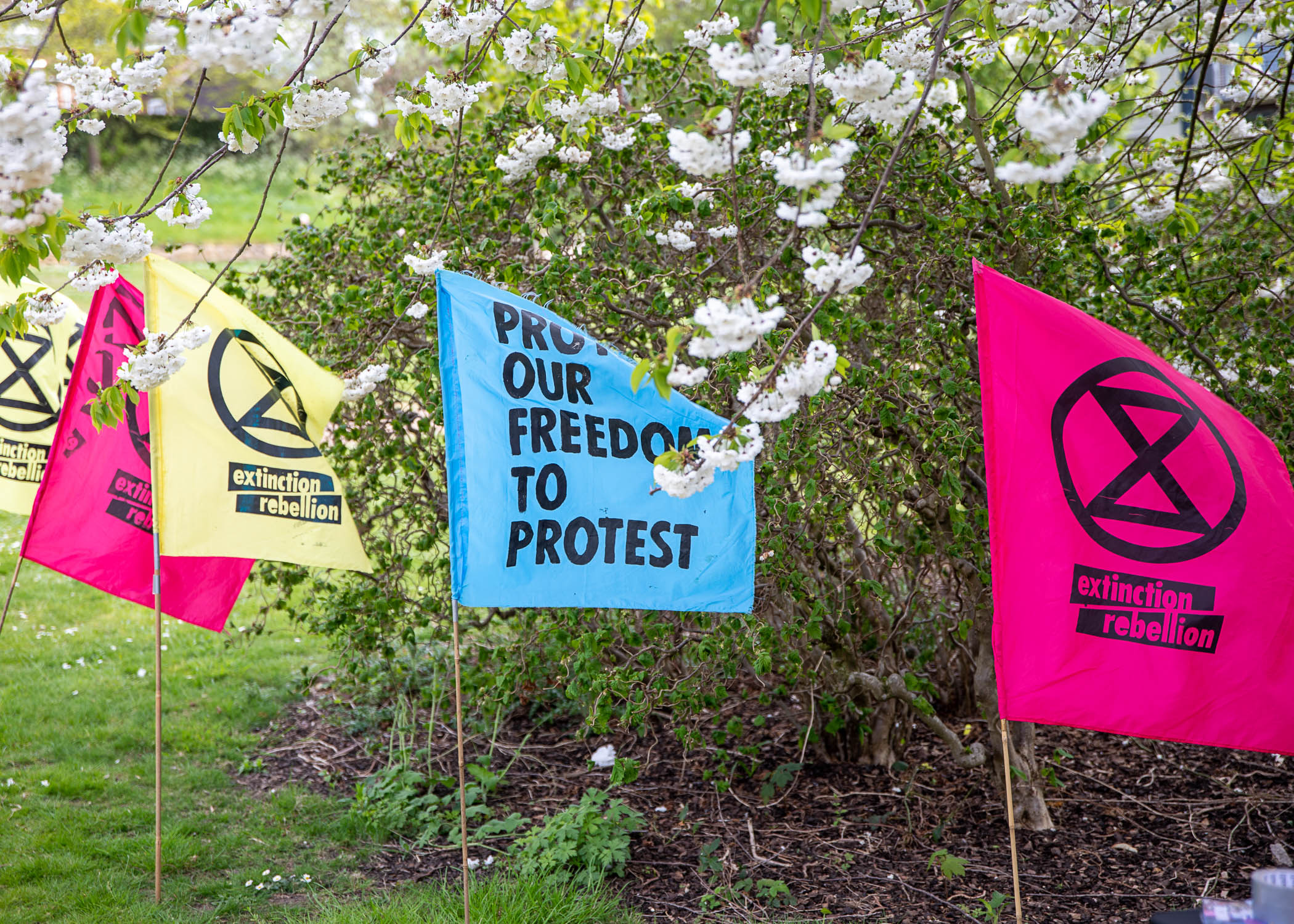
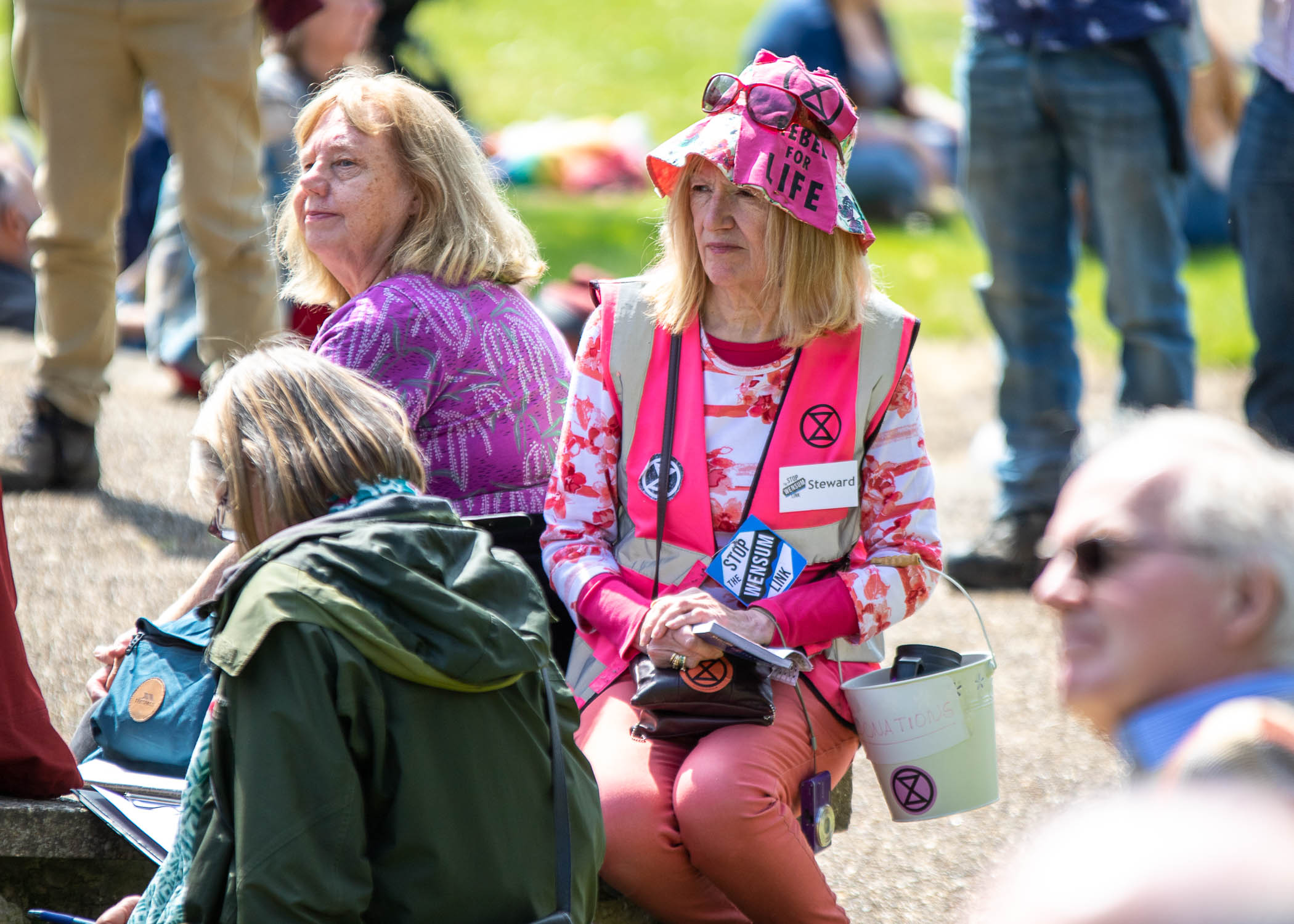
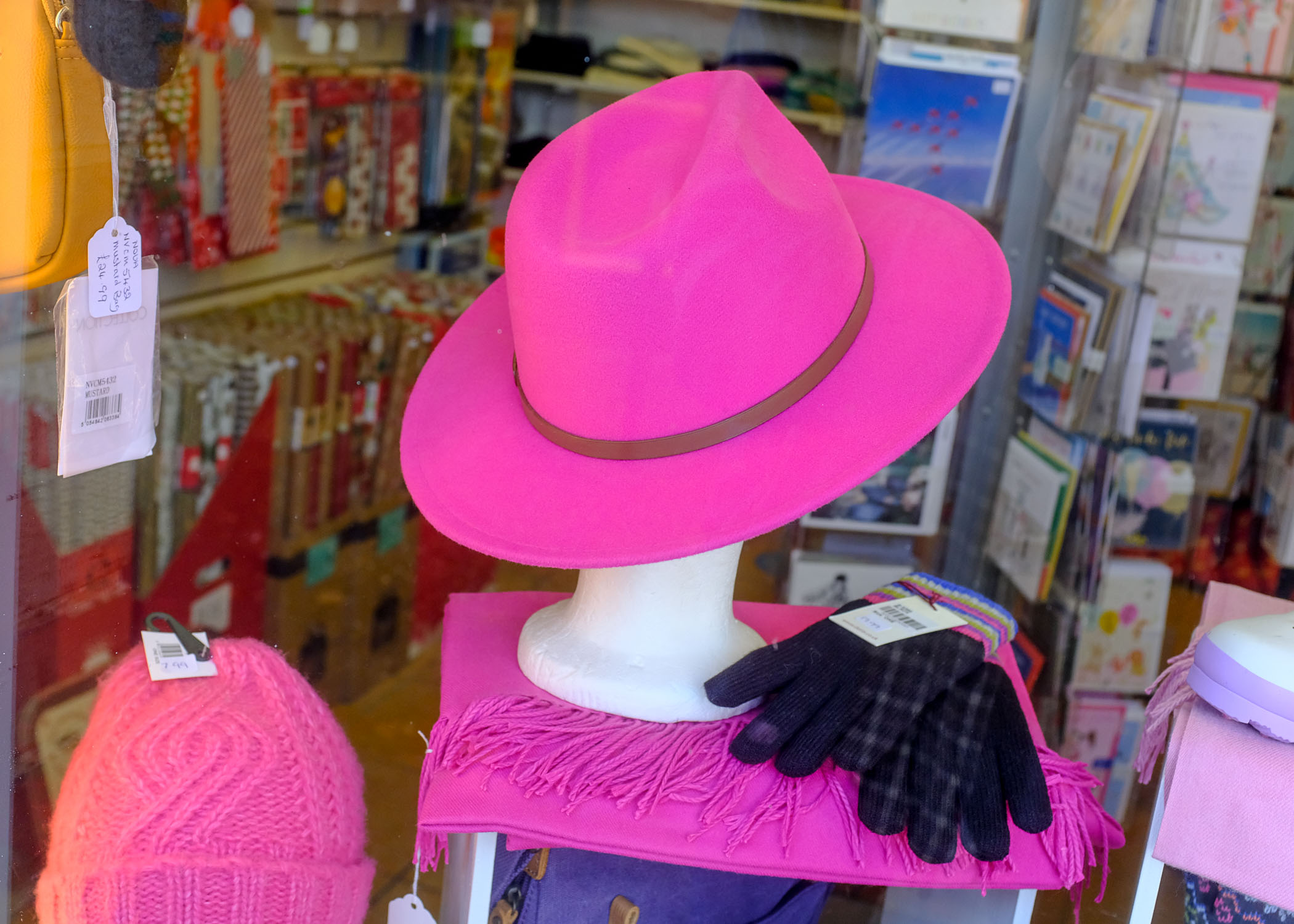
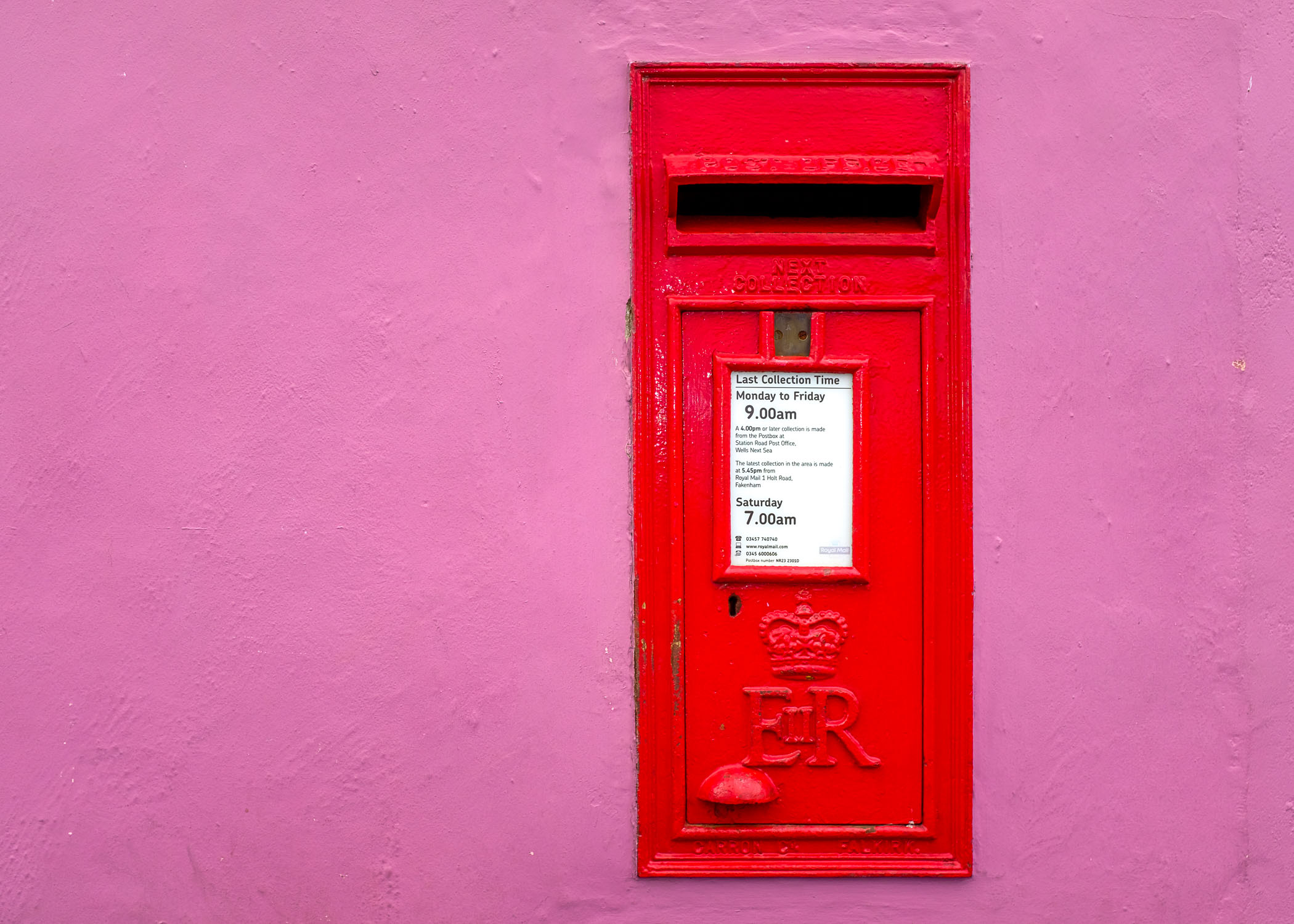
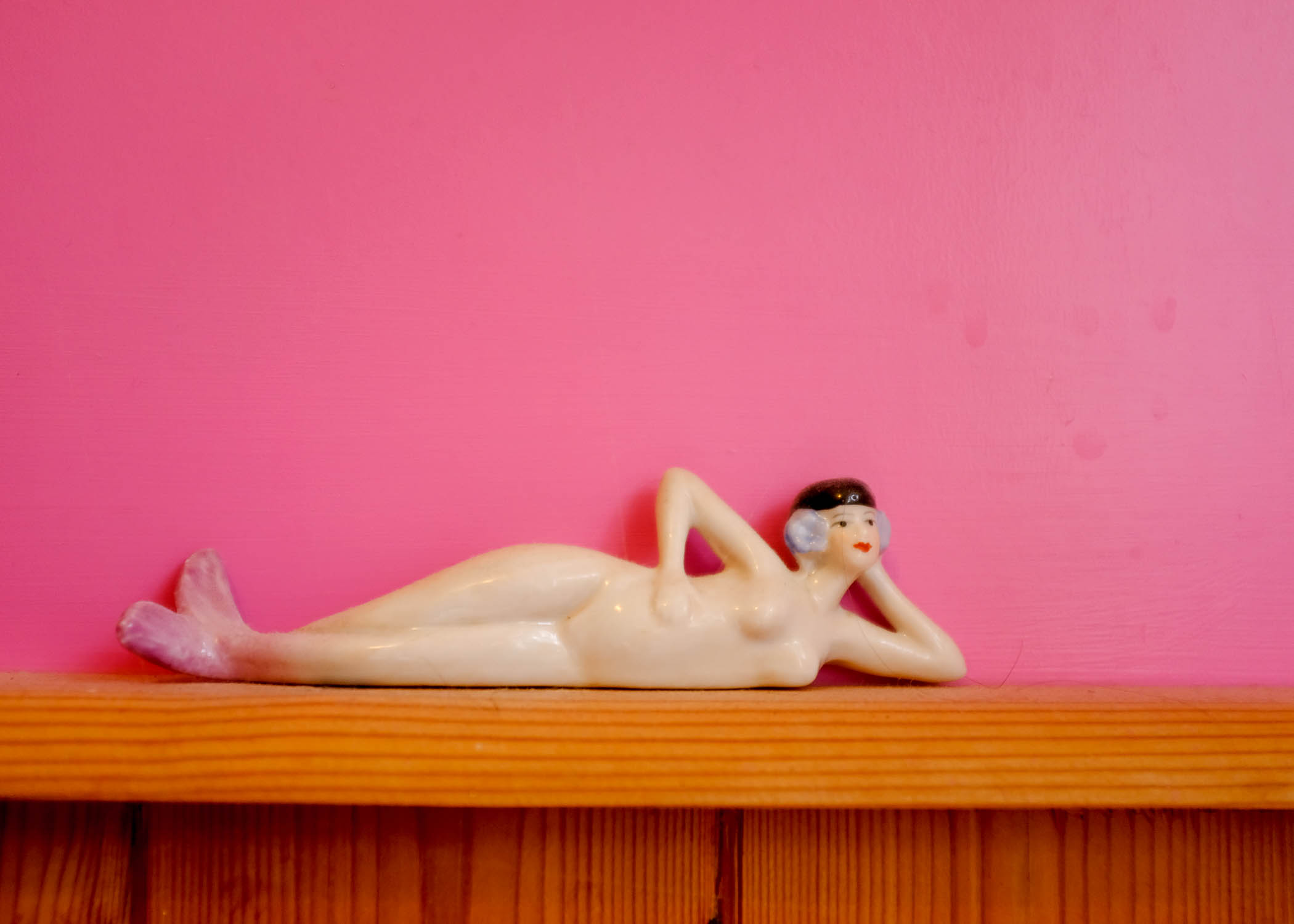
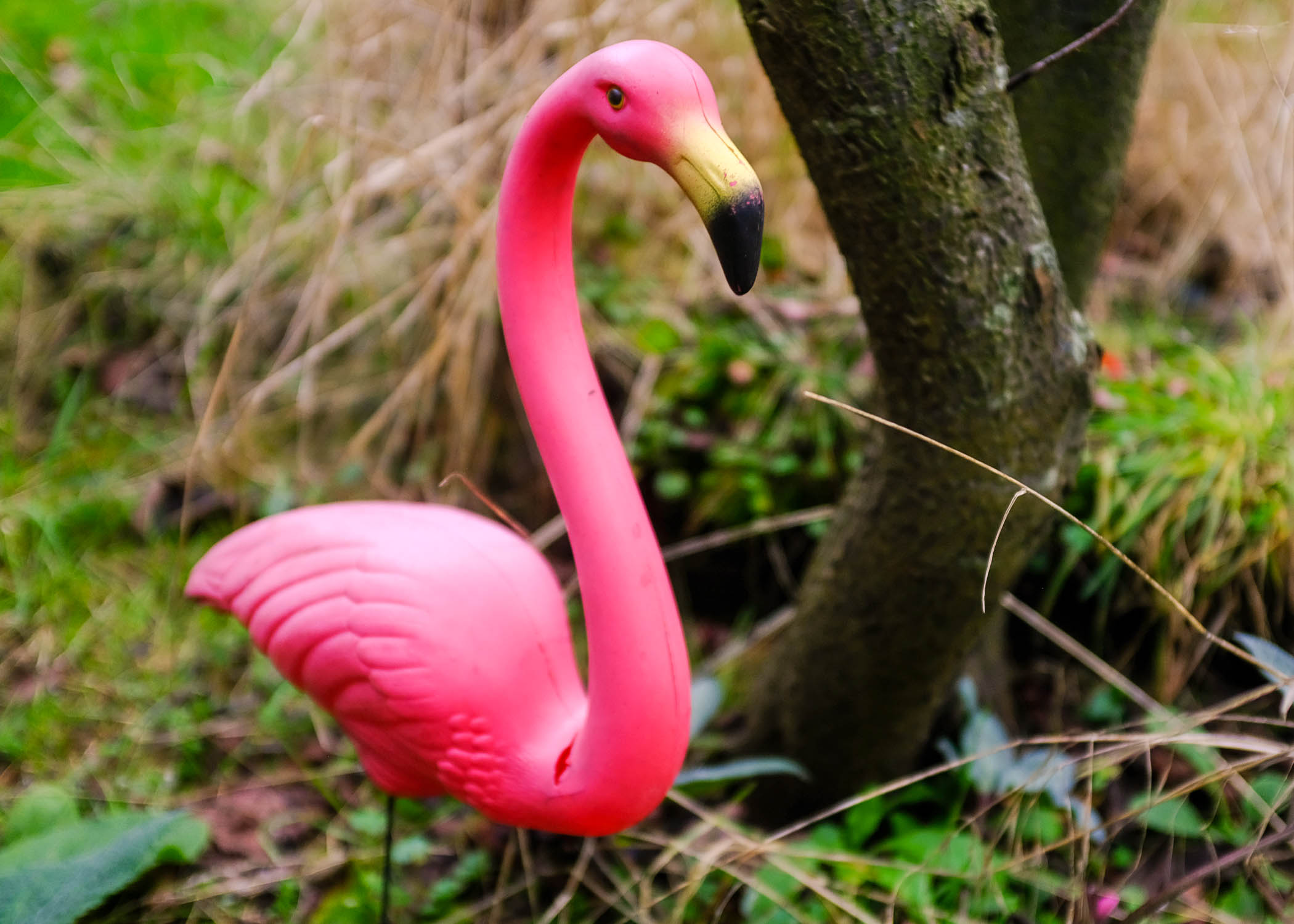
Pink began almost playfully for Keith, prompted by the handful of pink objects scattered around his home — many of them courtesy of his wife, Debbie. But the project has since revealed itself as something with longer‑term potential. As he continues photographing pink wherever he finds it, he is curious to see how the work develops. At its heart, it’s about noticing: finding beauty in the ordinariness of the pink things that surround us. Where it will lead remains open, but the journey already feels promising.
There is a rich psychology and history to the colour pink. Its shifting cultural meanings are striking: a colour strongly associated today with femininity was, in the eighteenth century, considered distinctly masculine and virile. It is also a colour now reclaimed by the LGBTQ+ community, carrying with it nevertheless a complex and painful history. Pink is used for breast‑cancer awareness and as a symbol of women’s strength and rights. In this context, companies that adopt pink branding without the ethics to support those values are often accused of “pinkwashing” for commercial or reputational gain.
Pink can be vibrant, creative, euphoric. It can also be dismissed as childish, soft, or weak. It is a colour with much to say.