Abandoned buildings hold a particular fascination. They carry traces of lives lived with dignity, of honest work, and often of difficult circumstances or unrealised ambitions. Their afterlives are equally compelling: what do these places become once they are left behind, and what might that reveal?
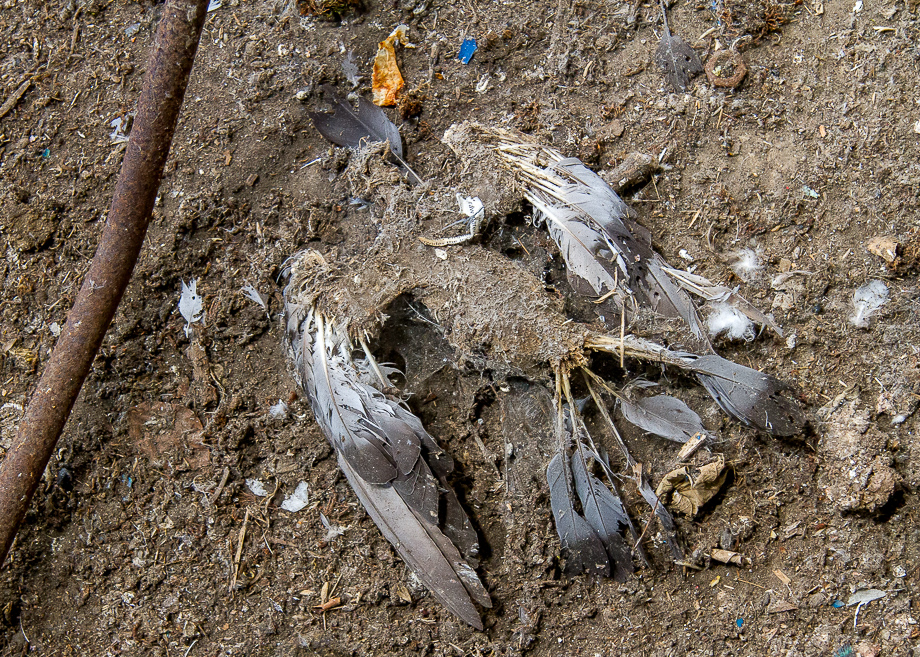
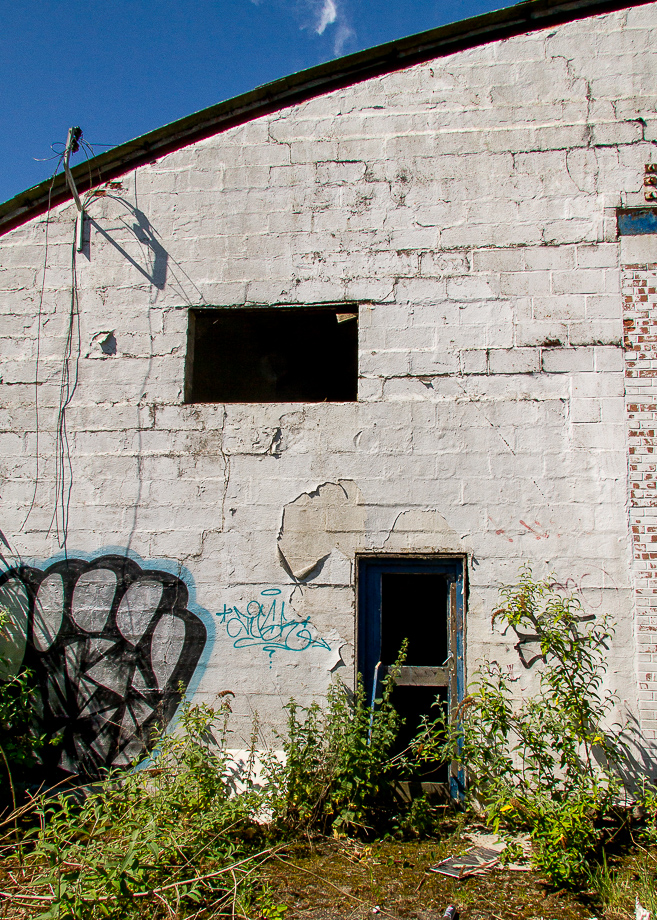
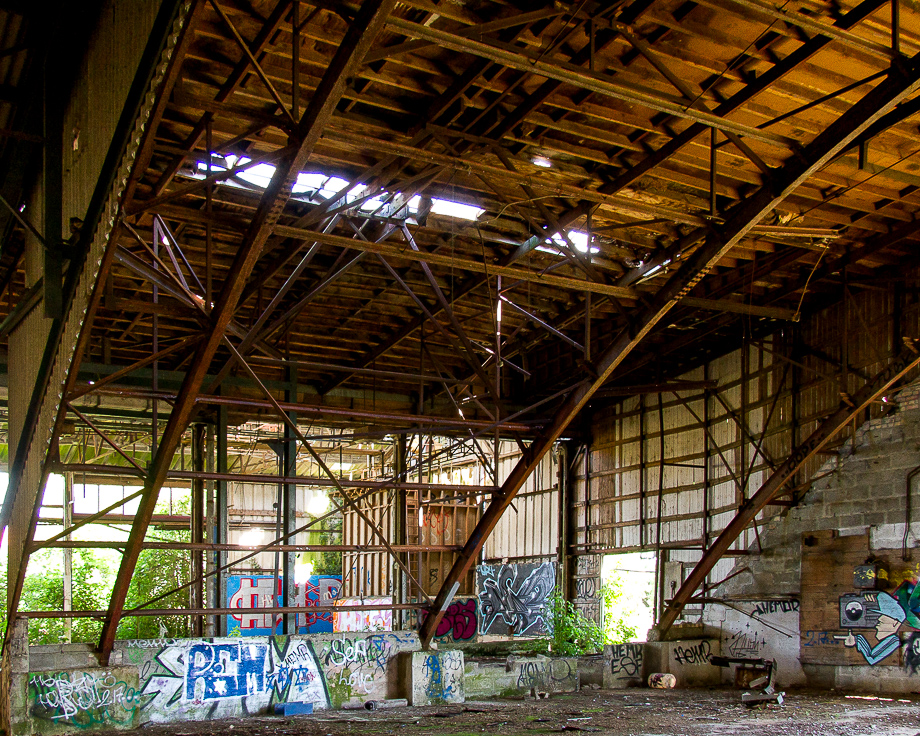
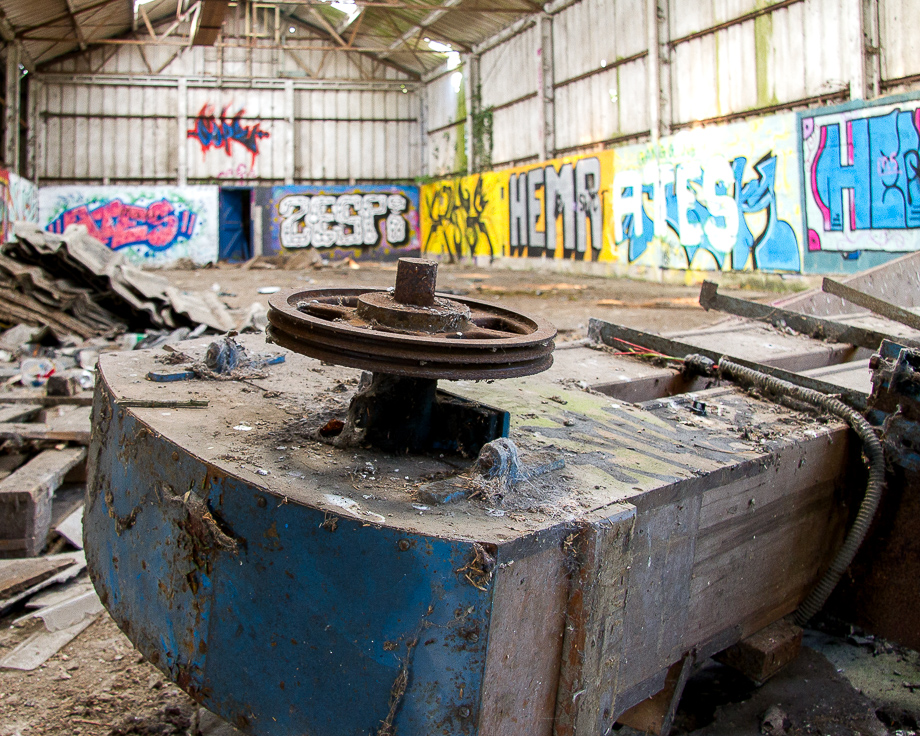
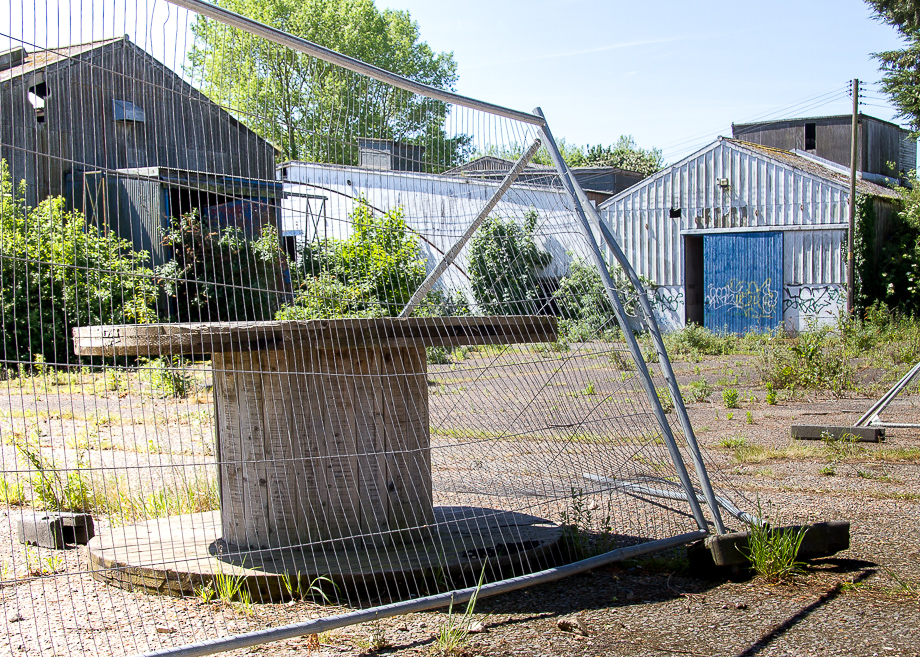
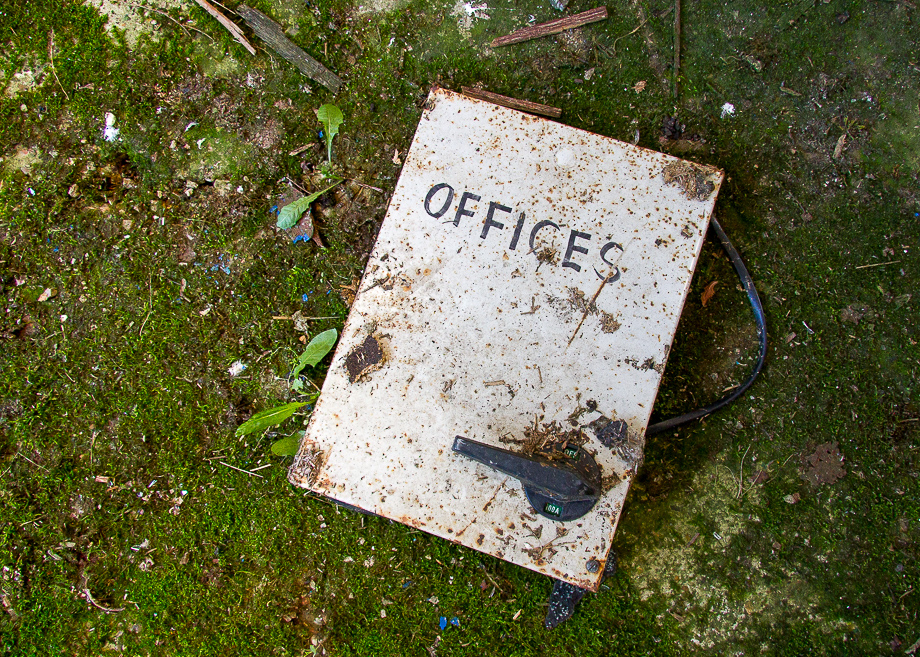
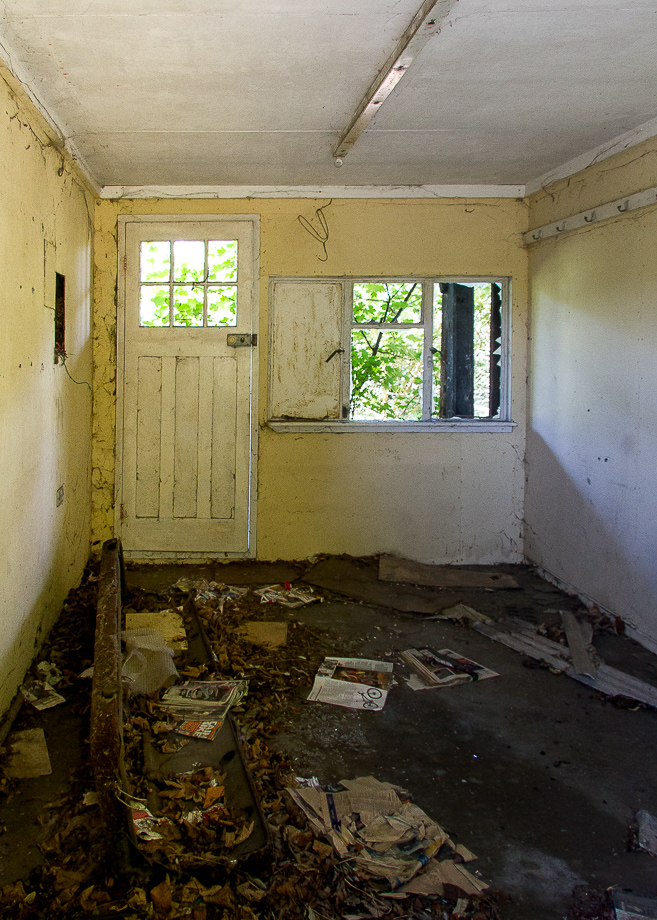
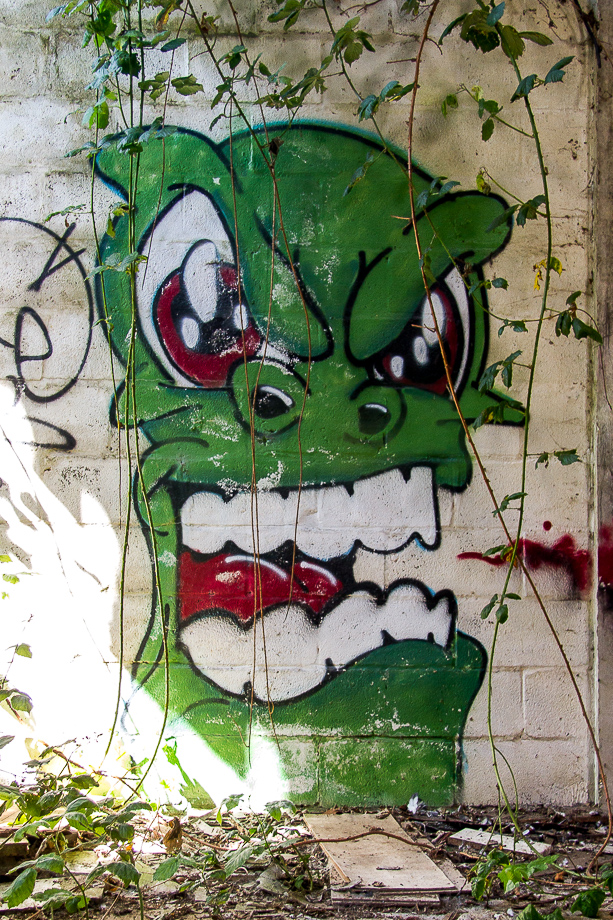
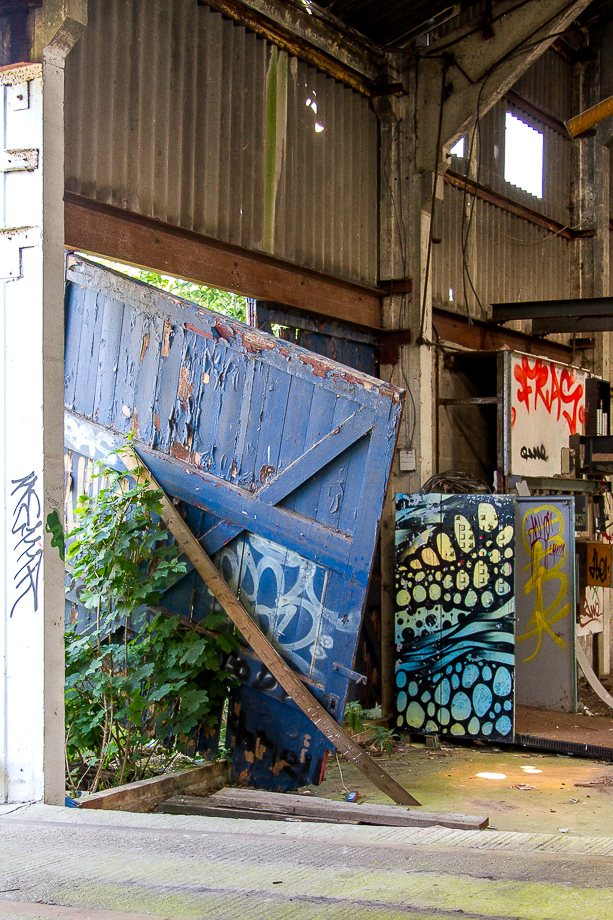
Visually and texturally rich, deserted buildings offer fertile ground for a photographer interested in understanding why abandonment happens and how, in their neglected state, such structures can take on new forms of life. The buildings photographed here in 2017 — since demolished — were part of a derelict flax‑seed processing plant operated by Gorham & Bateson Ltd on the edge of Gayton, West Norfolk. Remnants of the main structures, including offices and heavy machinery used for storing and processing seed, were still present. The scale of the operation in the late 1990s and early 2000s was clearly significant, though short‑lived; the company went into administration in 2002.
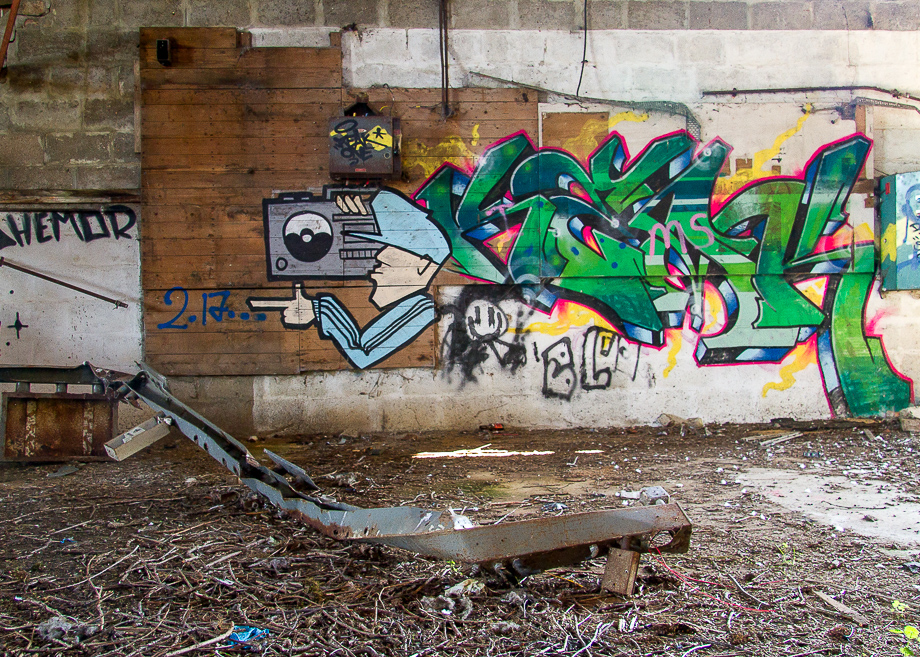
Just as interesting as the site’s history was its afterlife. With large expanses of empty wall space, the site became a magnet for graffiti artists and, in doing so, took on a new colour, energy, and vitality. For a few years, it appears to have been functionally repurposed by a number of talented artists who used it as a space for free expression. The creative marks people make have meaning, beauty, and value, yet they are often dismissed too easily. How might creativity and human expression be better recognised and supported in the future, wherever they emerge?
This photo essay was published as NotQuiteFree Press Issue #2 in November 2022: